Turkana County to Benefit from Kshs 30 Million ILO Investment to Tackle Prosopis Juliflora and Create Green Jobs
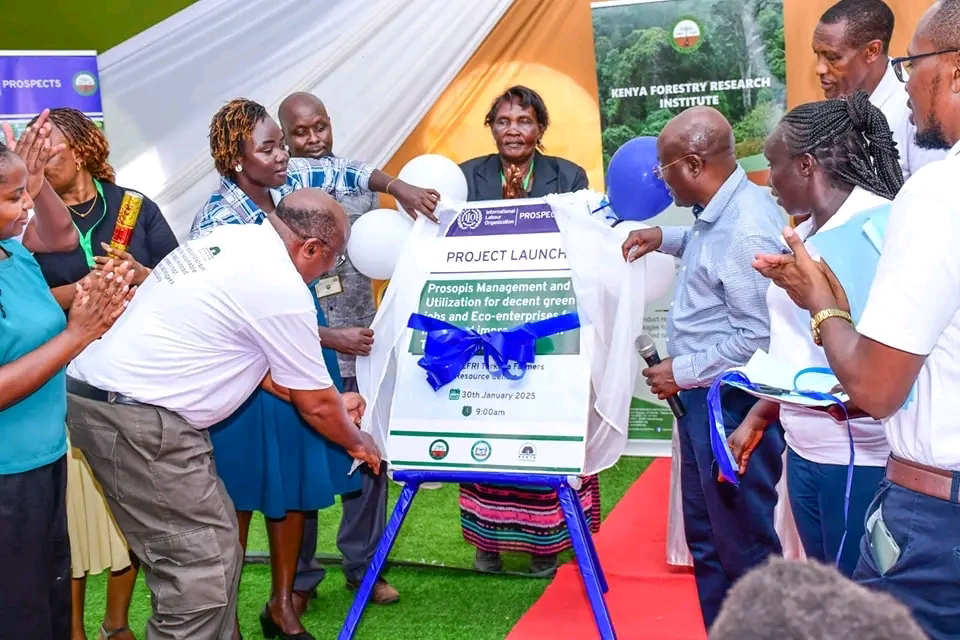
Turkana County is set to receive a significant boost with a Kshs 30 million investment from the International Labour Organization (ILO) aimed at addressing the challenges posed by Prosopis Juliflora, an invasive species, while promoting economic growth and environmental sustainability. The initiative, a collaboration between the County Government of Turkana, the Kenya Forestry Research Institute (KEFRI), and the ILO, seeks to transform the invasive plant into an economic asset while rehabilitating degraded land in Turkana West.

The one-year project is designed to provide sustainable solutions to manage Prosopis Juliflora, a species that has long been a menace to the region due to its rapid spread, which negatively impacts grazing land and biodiversity. However, through this innovative approach, the invasive species will be harnessed as a valuable resource to support livelihoods and restore the ecological balance.
Transforming a Challenge into an Opportunity
The Deputy Governor of Turkana County, Dr. John Erus, lauded the partnership as a transformative effort that will address the twin challenges of environmental degradation and economic marginalization. “This project offers a unique opportunity to turn a longstanding environmental challenge into an economic resource that benefits both host and refugee communities in Turkana West,” he said.

Prosopis Juliflora will be harvested and processed into products such as charcoal, animal feed, and timber. The project will also promote the use of Prosopis Juliflora as a raw material for industrial purposes, opening new markets for value-added products. This initiative is expected to create green jobs, especially for women and youth, while supporting Turkana County’s long-term environmental restoration efforts.

Restoring Degraded Land and Promoting Sustainability
In addition to creating economic opportunities, the project will focus on land restoration by reclaiming areas degraded by Prosopis Juliflora. The Kenya Forestry Research Institute (KEFRI) will provide technical expertise on sustainable harvesting methods, land rehabilitation, and reforestation with indigenous tree species to restore ecological balance.
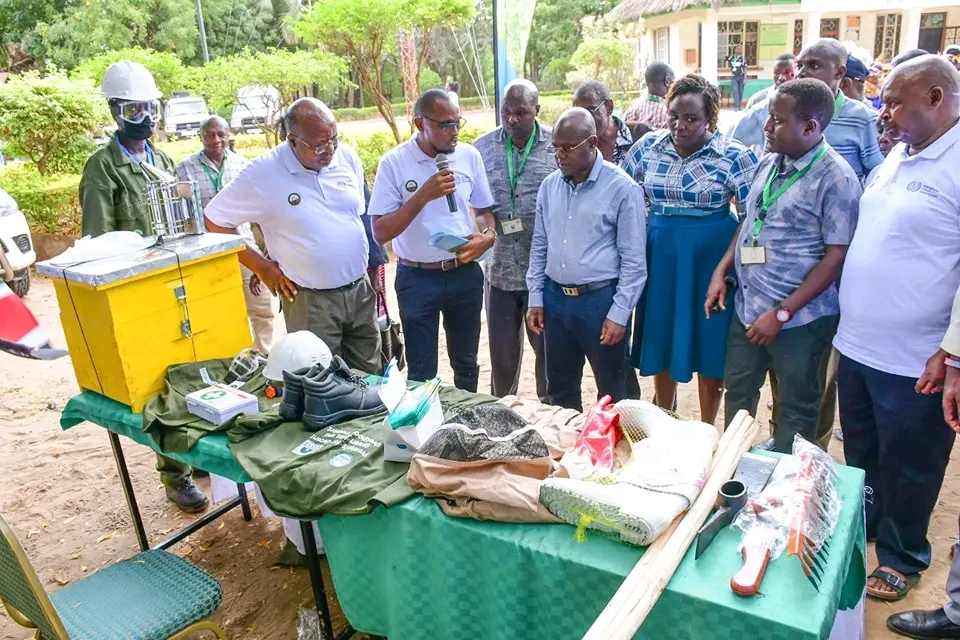
The project also emphasizes capacity building and community engagement. Local communities will be trained in sustainable land management practices, processing techniques, and entrepreneurial skills to ensure the project’s long-term success.
Empowering Refugee and Host Communities
Turkana West, home to both host communities and refugees, faces significant socio-economic challenges. This initiative seeks to empower both groups by providing them with equal access to training and employment opportunities, fostering social cohesion and economic inclusion.
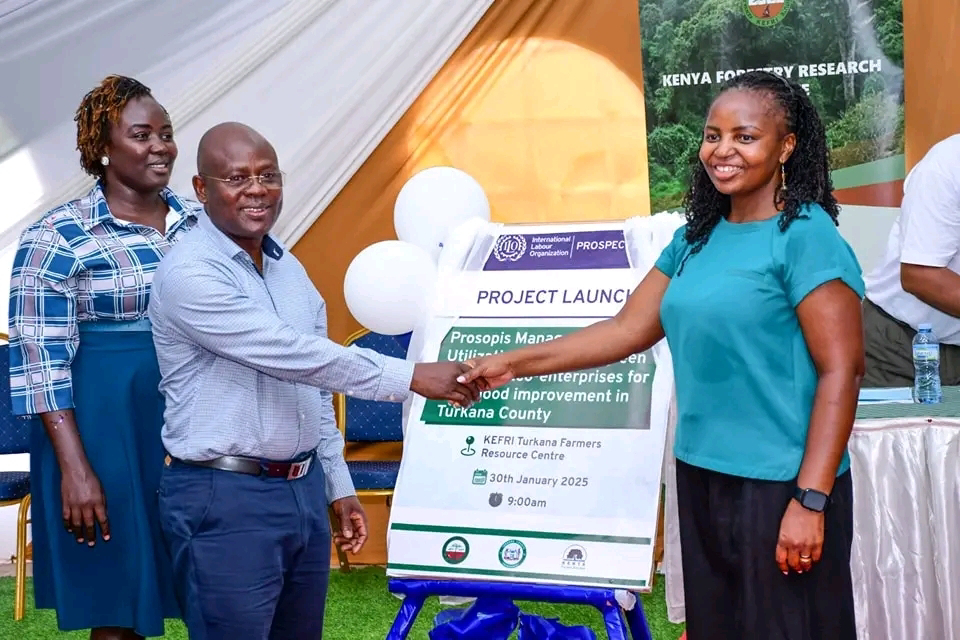
The ILO’s investment aligns with its broader mission to promote decent work and sustainable development. By creating green jobs and fostering sustainable management of natural resources, the project supports the United Nations’ Sustainable Development Goals (SDGs), particularly those related to decent work, climate action, and sustainable ecosystems.
A Promising Future
The collaborative project offers a glimpse of hope for Turkana County, where environmental challenges and socio-economic struggles have persisted for decades. By transforming Prosopis Juliflora from a threat to an opportunity, the initiative promises to improve livelihoods, restore degraded landscapes, and lay the foundation for sustainable development.
As the project kicks off, it represents a significant step toward addressing critical environmental and socio-economic issues in Turkana West. With the combined efforts of the County Government, KEFRI, and the ILO, Turkana County is poised to emerge as a model for innovative and sustainable solutions to complex challenges.
Comments
Post a Comment